
Glitni is a DN Gazelle 2026

Category: Company
Five years ago, four of us wrote down a one-line goal: be at the forefront of data and analytics, and grow. Glitni has now been named a DN Gazelle 2026. Here is how we got here in pictures, with what went well and what we are still not good enough at.
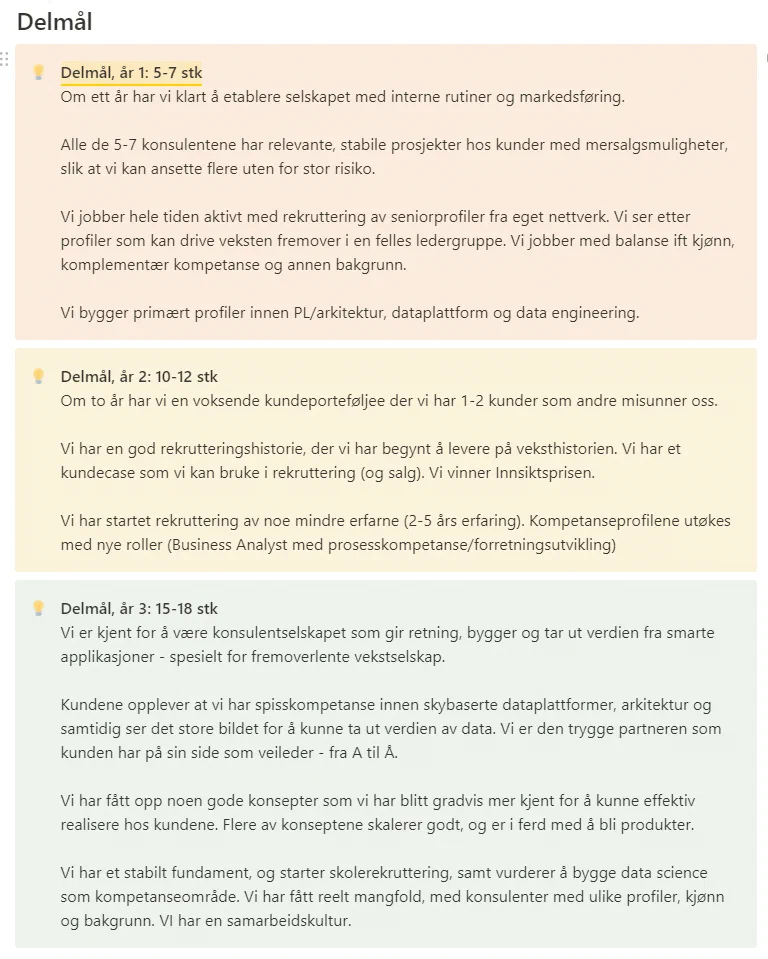
In November 2021, four of us rented a meeting room and wrote down what we wanted from a new company. Before that, we had talked about what each of us wanted from work and from life in general. Sometimes quite late in the evening. The goal fit on one line: “Be at the forefront of data and analytics + grow.” We also spent a fair amount of time on the name. Glitni means “the shining one” in Old Norse, and we took the resemblance to an Icelandic bank that went bankrupt in our stride.
Five years later, Dagens Næringsliv, Norway’s leading business newspaper, has named us a DN Gazelle 2026, and the diploma from DN is public. We are glad, and of course very proud. For my own part, the journey has meant a few sleepless nights, but mostly joy. Here is how we got here, as honestly as we can tell it.
What does it take to become a Gazelle?
Every year, Dagens Næringsliv names Norwegian companies that have grown fast while making money, and about 3.8 percent of Norwegian companies qualify. Revenue must at least double over three years, with no year of decline, and the combined operating result must be positive.
Our figures are public in the Brønnøysund Register Centre: revenue of NOK 15.7 million in 2023, NOK 21 million in 2024 and NOK 37.8 million in 2025.
Five years in pictures
2022: four clients and six consultants. In our first six months we had four clients, all in retail or supplying the retail sector, and by the summer there were six of us. You can read more about those first weeks in our article on what we learned from starting a consultancy and about the first six months in our summary from the summer of 2022.
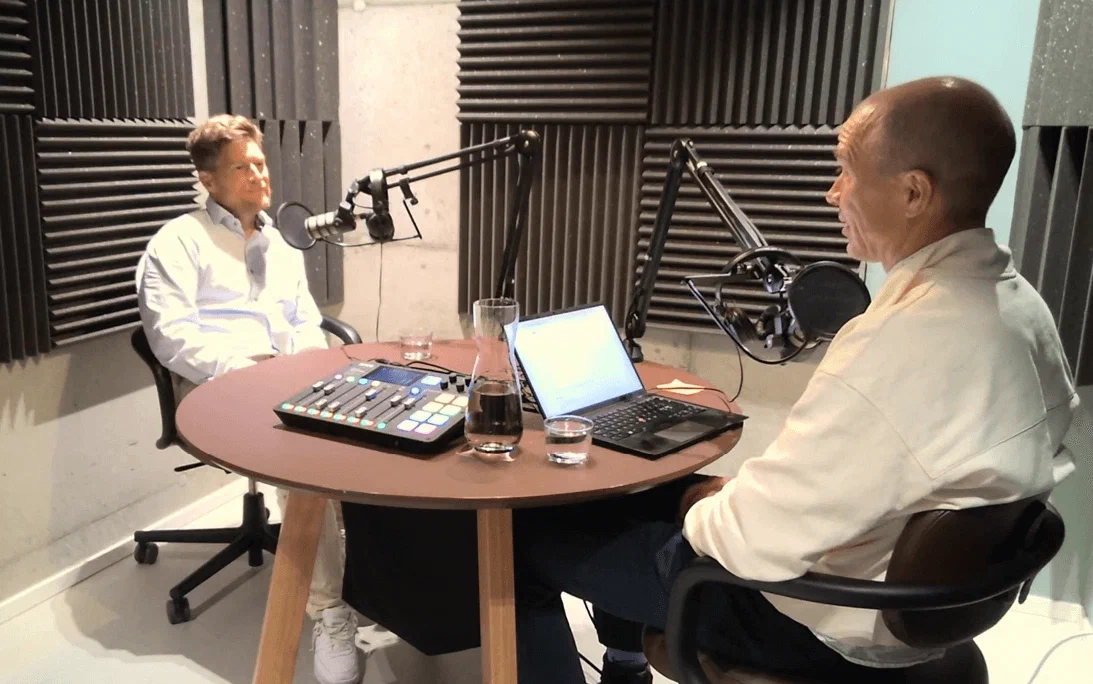
2023: the stage beats the stand. We co-organised the Oslo dbt Meetup, and more than 100 people came in June. We learned that we get more out of being on stage than out of standing at a stand. The same year we started our podcast, Datautforskerne.
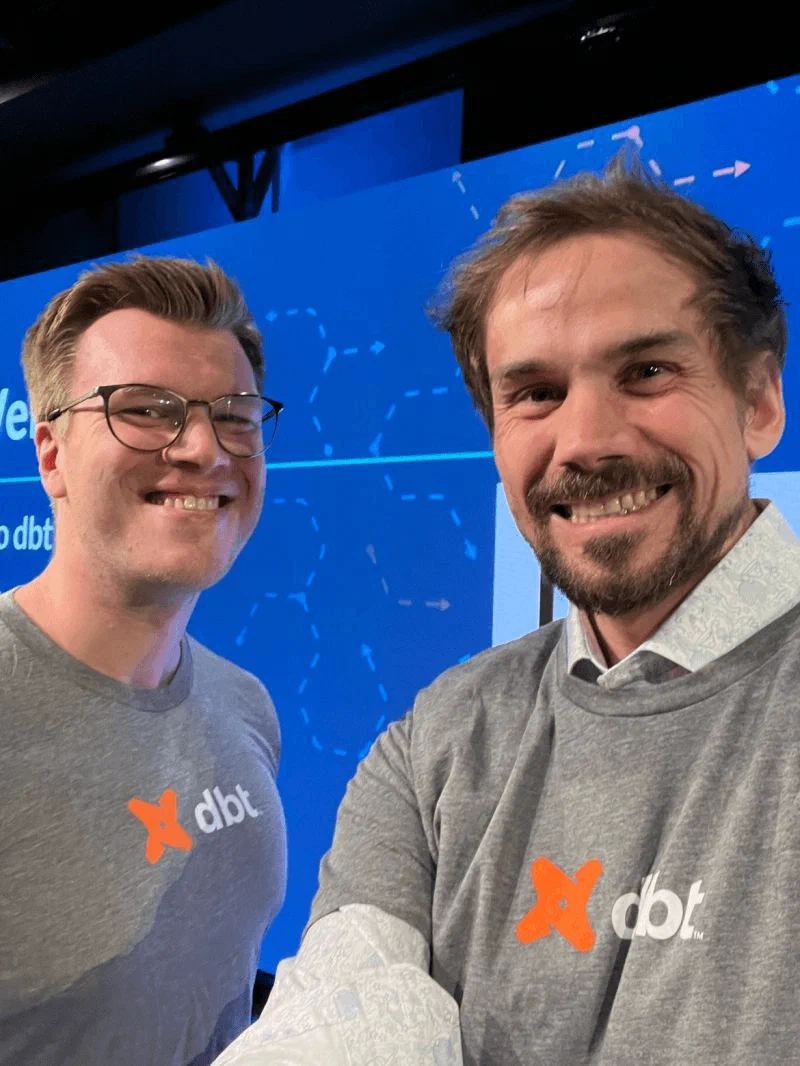
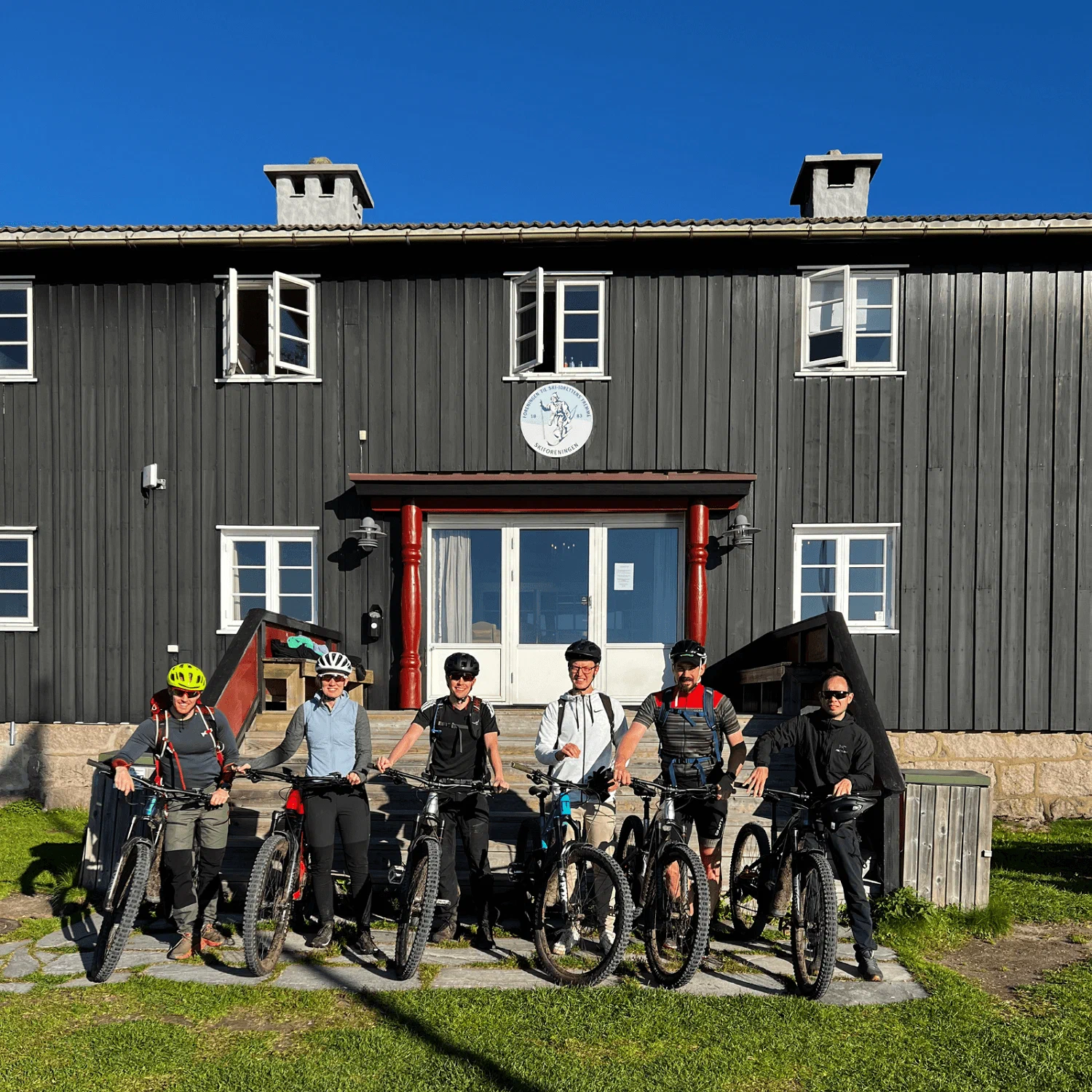
2024: fewer clients, bigger teams. In the early years we regularly placed one consultant at a time as a subcontractor to larger consultancies. In 2024 we decided to sell only directly and concentrate our people at fewer clients. In October, three of us went to Las Vegas for Coalesce, the dbt Labs conference. And we went cycling in Nordmarka. And did other fun social things together.
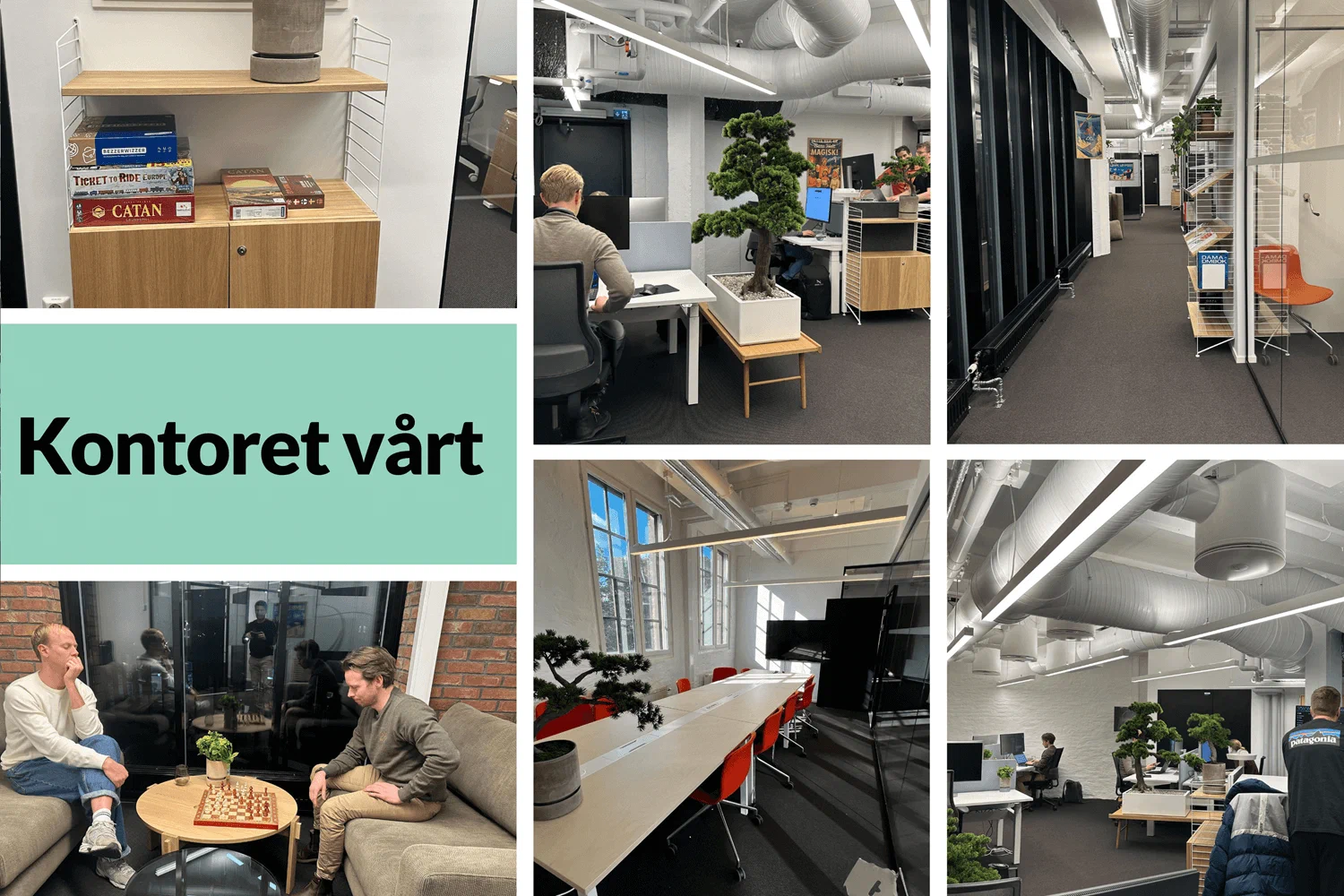
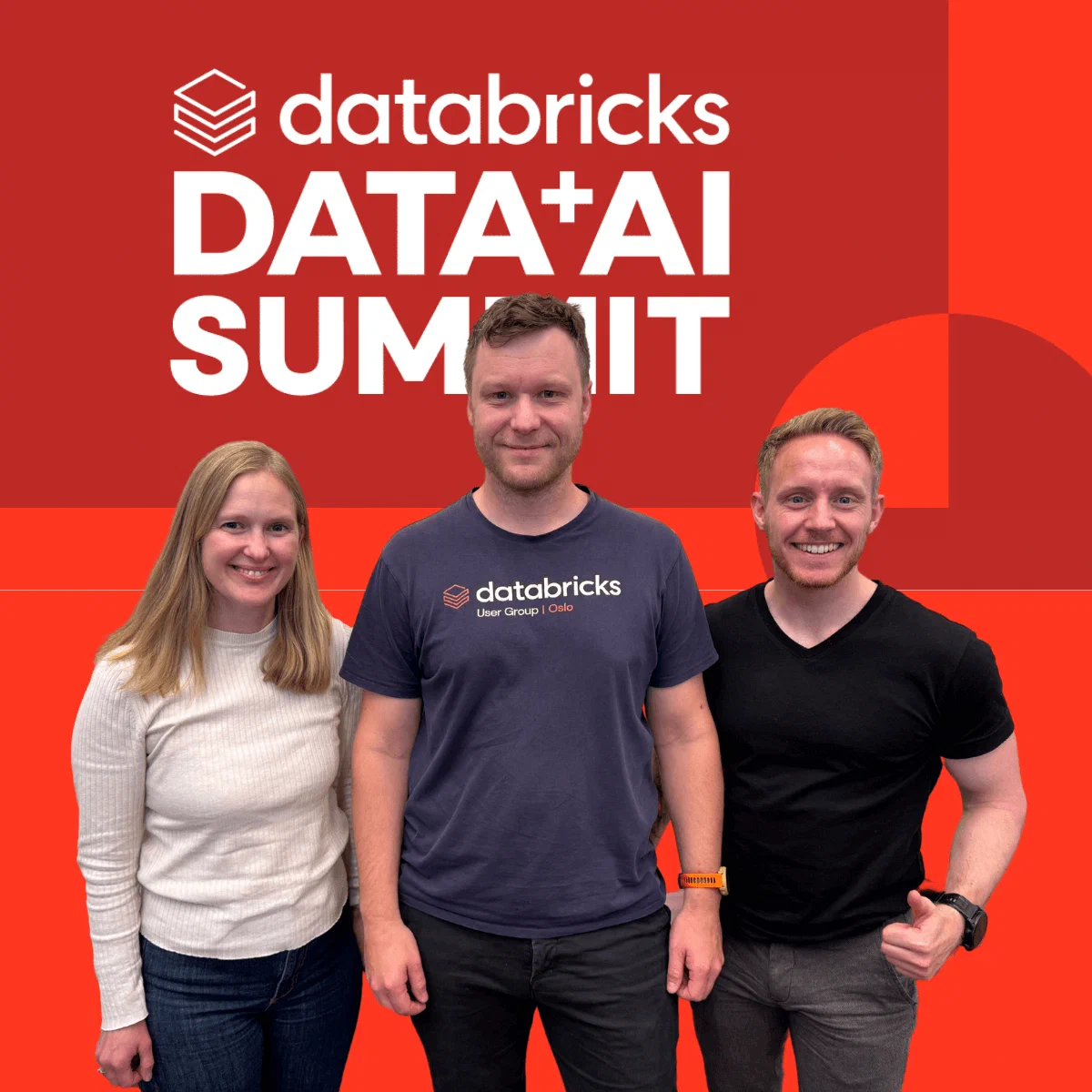
2025: our own office and our first relay. Revenue grew by 80 percent, and we moved into our own office with room for 25. In June, three of us attended the Databricks Data + AI Summit in San Francisco. We also ran our first Holmenkollstafetten, Oslo’s big relay race, with nine runners covering fifteen legs, and promised that we would not win the next year either.
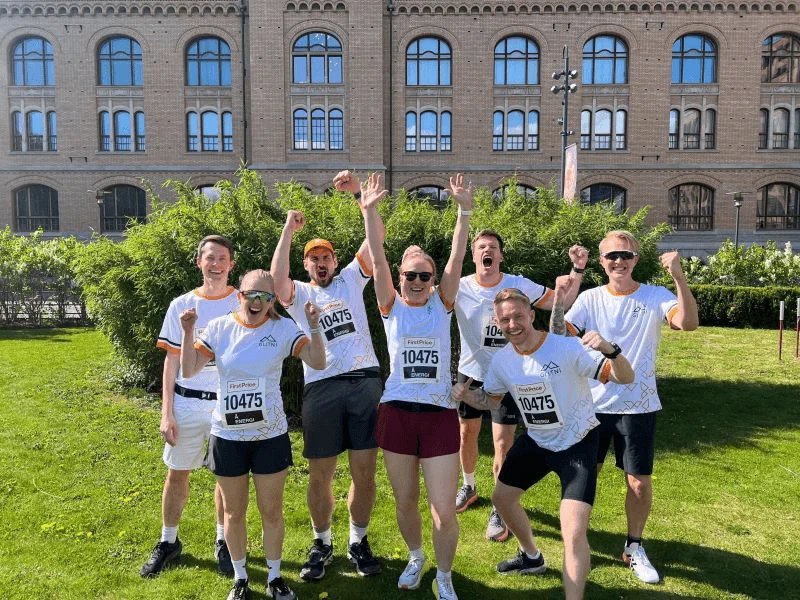
2026: 16 employees and four on the way. We are 16 employees today, and four more have signed and start by February. We also kept last year’s promise: we did not win Holmenkollstafetten this time either.
What do we think made it possible?
We became visible before we needed to. We wrote a lot of articles and professional posts on LinkedIn from our first year, even though we were busy. It took time to pay off, but from the second half of 2024 most new assignments came from clients who contacted us.
We concentrated our people at a few clients. Today all our client relationships are direct, and we use subcontractors ourselves when clients need more people than we have available. When there are more of us at one client, we are more likely to make a difference. Our goal is always to make the client’s team better.
We hired slowly rather than wrongly. We hire experienced people. We do not compromise on our standards: our people should lift the client’s team. Good people do good work, and word spreads. Slowly but surely we have gained more clients, and we hope and believe that is down to a good reputation.
We built the workplace we wanted for ourselves. We wrote that down back in 2021, with freedom and a strong professional community as the key words. Today I am proud of the gang, which has truly become that community: people who like data, and who like each other.
What are we still not good enough at?
Recruitment is slower than we would like, and our gender balance is still too skewed: this summer we were 14 men and 2 women. We are slow at turning what we know into services and tools others can use. But we did release our own data ingestion framework as open source in May. It has turned out really, really well, so if you work with data engineering, it may be worth a look.
Thank you
I want to thank the clients who chose a new and small company, and our people who joined before we had anything to show for it. Both parts of the goal from 2021 still stand: be at the forefront, and grow. We are not done with either.
Want to work with us, as a client or a colleague? Send us a message.